

The Nature of Risk in Gambling
Risk is an inherent component of gambling that intrigues both casual players and seasoned gamblers alike. This element of risk creates an adrenaline rush that can be both exhilarating and addictive. When a player engages in a game of chance, they often weigh the potential rewards against the likelihood of loss. This complex psychological interplay drives their decisions and can lead to the formation of specific gambling behaviors, such as chasing losses or betting beyond their means. The desire for an immediate reward often overshadows the rational assessment of risk, making it crucial to understand this psychological phenomenon.
Moreover, the perception of risk can vary significantly between individuals based on their previous experiences and inherent personality traits. Some gamblers embrace high-stakes games like poker, where skill meets chance, while others might prefer low-risk games like slots. This variation highlights the individualistic nature of risk assessment in gambling. Understanding this can lead to better strategies for responsible gambling, as recognizing one’s own risk tolerance is essential in navigating the gambling landscape.
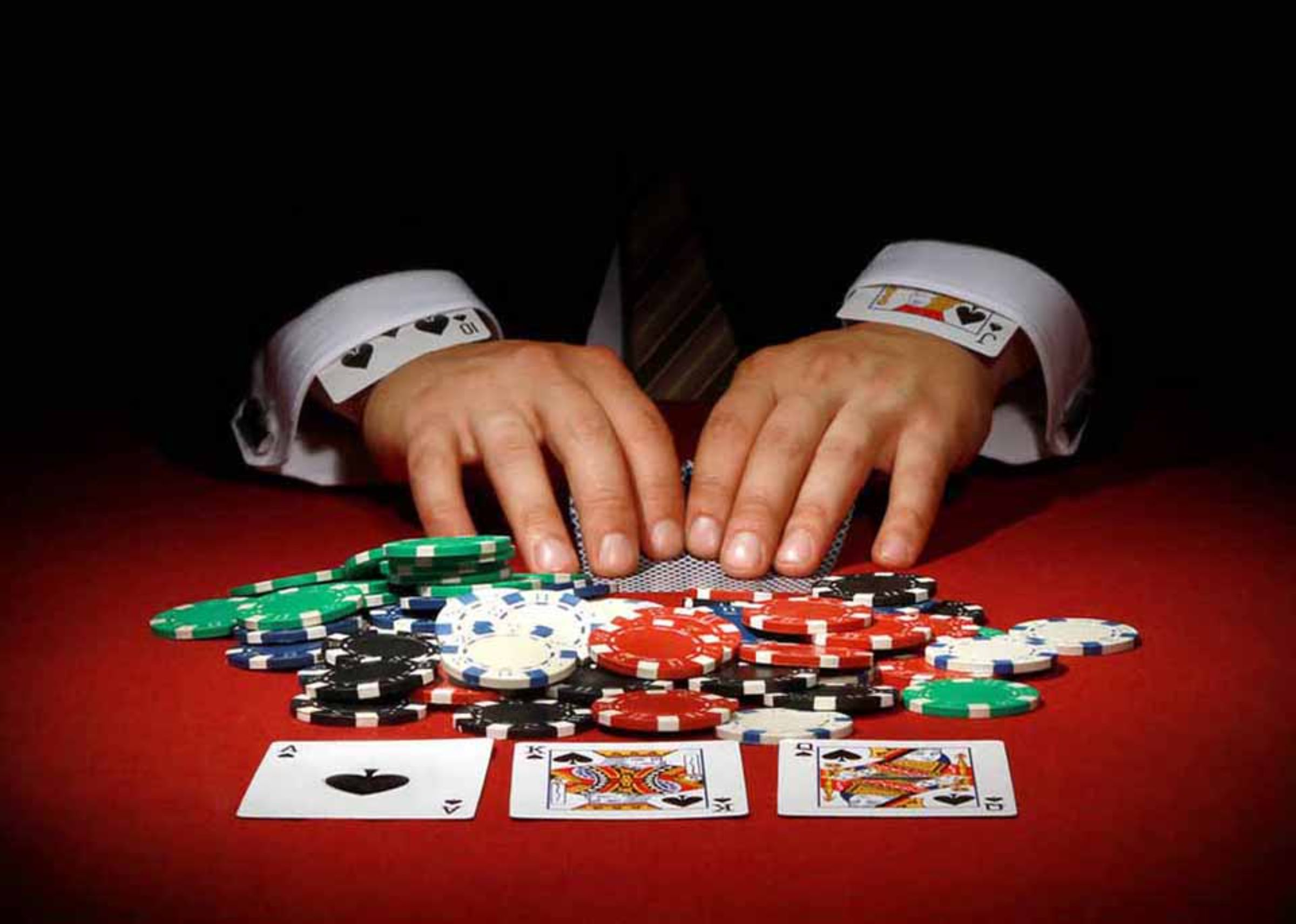
The illusion of control further complicates the psychology of risk in gambling. Gamblers often believe they can influence the outcome of games through skill or strategy, particularly in games that involve an element of decision-making. This belief can lead to increased gambling activity, as players may take higher risks in pursuit of victory. The challenge lies in balancing this illusion with the reality that, ultimately, most gambling outcomes are left to chance. This understanding is vital for both gamblers and those involved in responsible gambling advocacy.
The Emotional Rollercoaster of Gambling
The emotional experience of gambling can be likened to a rollercoaster ride, filled with peaks of excitement and valleys of despair. The thrill of a win elicits a surge of dopamine, reinforcing the behavior and encouraging further gambling. Conversely, losses can induce feelings of frustration and despair, leading to a cycle known as ‘loss chasing,’ where players continue to gamble in hopes of recouping their losses. This cycle can create a dangerous feedback loop that entraps gamblers in a cycle of risk-taking behavior.
The role of social influences cannot be understated in this emotional landscape. Gamblers often draw from shared experiences with friends or family, which can both positively and negatively impact their mindset. For instance, a supportive social environment may enhance enjoyment and moderate behavior, while a competitive or negative atmosphere can intensify risk-taking. This emotional context highlights how gambling is not just an individual endeavor; it’s often influenced by the people around the gambler, reinforcing the importance of social dynamics in understanding the gambler’s mindset.
Furthermore, the desire for social validation plays a critical role in the emotional dimension of gambling. Many individuals seek affirmation from peers through their gambling successes, making it a performance-based activity rather than a mere leisure pursuit. This social aspect can lead to increased risk-taking, as the need to impress others can overshadow personal judgment. Recognizing this emotional pressure can assist gamblers in moderating their behaviors and making more informed decisions about their gambling activities.
The Role of Cognitive Biases in Gambling
Cognitive biases significantly shape the way gamblers perceive risk and make decisions. One common bias is the “gambler’s fallacy,” where individuals believe that past outcomes will influence future events in a random game. For instance, if a roulette wheel has landed on red several times in a row, a gambler might irrationally believe that black is now “due” to come up. This fallacy can lead to illogical betting patterns that disregard the principles of probability.
Another significant cognitive bias is the “availability heuristic,” which leads gamblers to overestimate the probability of winning based on recent experiences or media portrayals. For example, witnessing someone hit a jackpot on a slot machine can skew a gambler’s perception, making them believe that winning is more common than it actually is. This misconception can drive them to take unnecessary risks, betting larger amounts in pursuit of an improbable win. Understanding these cognitive biases can help gamblers recognize when their judgment may be clouded and encourage more rational decision-making.
Moreover, the concept of “confirmation bias” also plays a crucial role in gambling behavior. Gamblers tend to remember wins more vividly than losses, leading them to develop an inflated sense of their gambling prowess. This selective memory reinforces the decision to gamble again, as players focus on their perceived successes while downplaying the significant losses incurred. Acknowledging the presence of these cognitive biases is essential for developing a healthier relationship with gambling and implementing effective risk management strategies.
Responsible Gambling and Risk Management
As the psychology behind risk in gambling becomes increasingly understood, the importance of responsible gambling emerges as a critical focus. Effective risk management strategies are designed to help players maintain control over their gambling activities while minimizing the potential for harmful behaviors. Key strategies include setting clear budgets, establishing time limits, and utilizing self-exclusion tools. These practices can empower gamblers to engage in gambling as a form of entertainment rather than a compulsive behavior.
Moreover, educating gamblers about the psychological triggers that lead to risky behaviors is essential. By fostering awareness of the emotional and cognitive factors influencing their decisions, players can make more informed choices regarding their gambling activities. Support programs and resources can offer valuable insights and coping mechanisms for those struggling with the emotional rollercoaster of gambling. By prioritizing education and awareness, the gambling industry can contribute to safer environments for all players.
Ultimately, fostering a culture of responsible gambling necessitates collaboration between operators, regulators, and players. By implementing robust support services and promoting education around gambling risks, the industry can help mitigate the negative impacts associated with excessive risk-taking. This holistic approach enhances the overall gaming experience, allowing individuals to enjoy gambling while being mindful of the psychological complexities involved.
Gransino Casino and Its Commitment to Responsible Gaming
Gransino Casino stands out as a premier online gaming platform that prioritizes a safe and responsible gambling environment. With an extensive selection of games, including slots, table games, and live dealer options, Gransino aims to provide an engaging experience for players of all skill levels. New players are welcomed with generous bonuses that create an inviting atmosphere while emphasizing responsible gaming practices.
The casino implements several responsible gaming initiatives to support players in managing their gambling activities effectively. Features such as customizable betting limits and self-exclusion options are readily available, allowing players to tailor their gaming experience to suit their personal preferences. Furthermore, the site offers resources and support for individuals who may be experiencing difficulties with gambling, reinforcing its commitment to the well-being of its players.
By prioritizing responsible gaming, Gransino Casino not only fosters a safe space for entertainment but also sets a standard for other operators in the industry. As the understanding of the psychology behind risk continues to evolve, platforms like Gransino are at the forefront, championing a balanced approach to gambling that promotes enjoyment while safeguarding against the pitfalls of excessive risk-taking. This dedication enhances the overall gaming experience, making it a preferred choice for responsible gamblers.