

Understanding the Psychology of Bluffing
Bluffing in poker is not just a technical aspect but a psychological strategy that requires a deep understanding of human behavior. Successful bluffing hinges on the ability to read your opponents and discern their potential reactions, especially when considering options like anonymous casinos that can add to the unpredictability of the game. By observing patterns in betting, facial cues, and body language, players can gauge whether their opponents are likely to fold or call. This psychological insight is crucial because a well-timed bluff can induce doubt and fear, forcing an opponent to back away from a hand they may have originally felt confident about.
Moreover, players must manage their own emotional state when bluffing. If a player appears hesitant or overly confident, it can give away their true intentions. Maintaining a calm demeanor while projecting confidence is key. This psychological façade can be cultivated through practice and self-awareness, making it easier to execute a bluff that feels genuine to both the bluffer and the audience at the table.
Ultimately, understanding the psychology behind bluffing goes beyond mere trickery; it involves a complex interplay of strategy, emotional intelligence, and risk assessment. Players who master these elements can manipulate the game’s dynamics to their advantage, using bluffing as a potent weapon in their overall strategy.
When to Bluff: Timing is Everything
Timing is a critical factor in successful bluffing. Knowing when to push for a bluff versus when to play conservatively can make or break a poker game. The best moments to bluff often arise when the situation suggests a strong chance of success. For instance, after the community cards are revealed and present a potential flush or straight, a well-timed bluff can make it seem like a player is holding a strong hand. If the board texture supports the narrative of a powerful hand, opponents may find it difficult to call a bet.
However, timing is not solely about the cards; it also includes the context of the game and the tendencies of your opponents. Experienced players often look for signs of weakness, such as hesitation in betting or a lack of enthusiasm in their opponents’ reactions. By choosing the right moment and considering these factors, a player can increase the likelihood that their bluff will succeed. Learning to identify these key moments takes practice, but mastering it can significantly enhance a player’s profitability at the table.
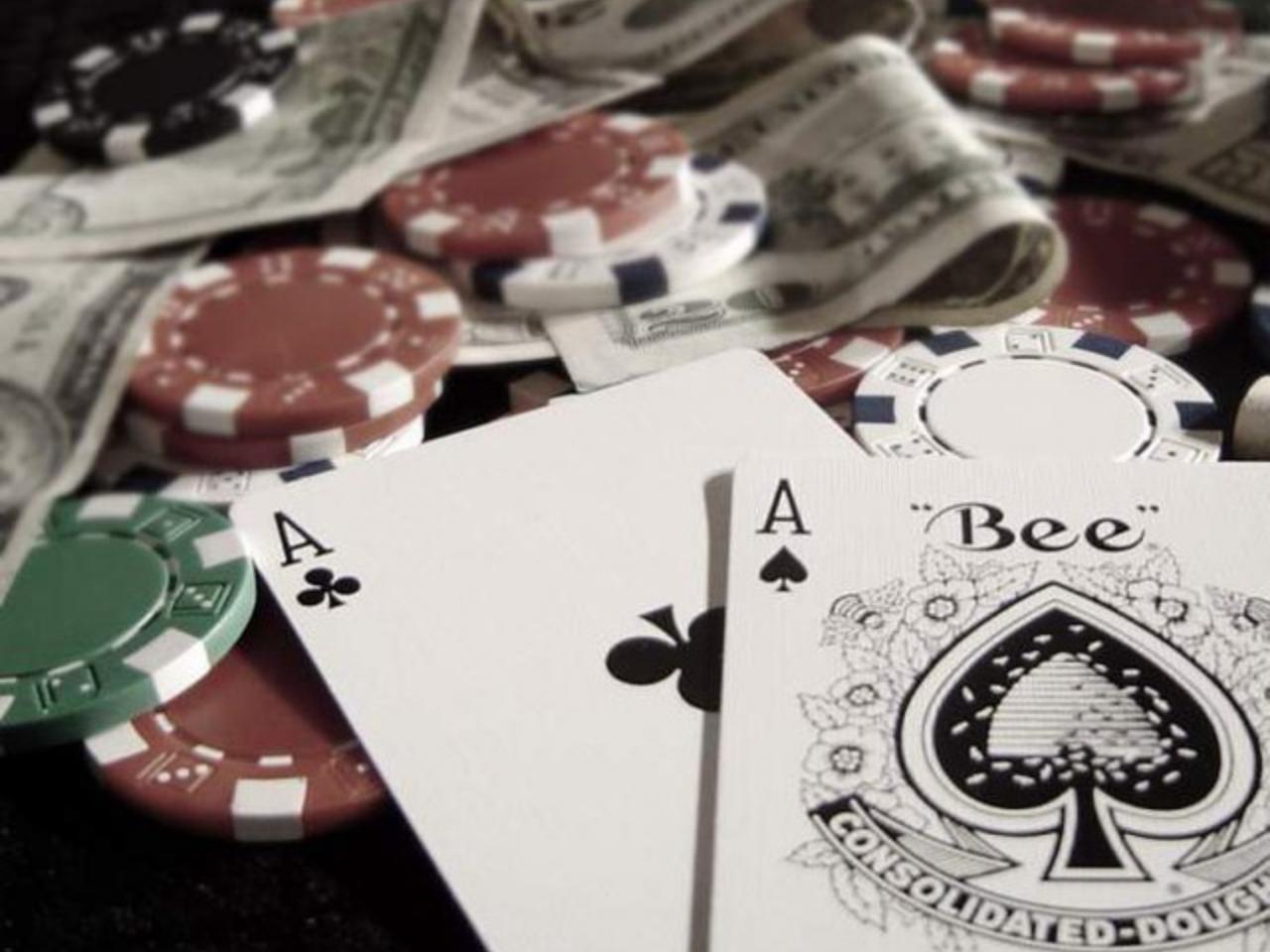
Additionally, bluffing too frequently can become predictable and result in a loss of credibility. Therefore, players must balance their bluffing frequency with solid hands to maintain an air of uncertainty about their gameplay. By blending tactical timing and selective bluffing, players can create a more unpredictable and effective poker strategy.
Types of Bluffs: Choosing the Right Approach
In poker, there are various types of bluffs that players can employ, each suited to different scenarios and opponents. The classic “pure bluff” occurs when a player bets or raises with a hand that is not likely to win at showdown. This approach relies heavily on convincing the opponent that one has a stronger hand, making it an effective strategy against less experienced players who may fold under pressure.
Another common form is the “semi-bluff,” which involves betting with a hand that has the potential to improve in future rounds. This type of bluff allows for a strong exit strategy if the opponent calls since the bluffer may still end up with a winning hand. Understanding the nuances and appropriate scenarios for each bluff type can significantly improve a player’s success rate. This categorization allows players to adapt their strategies according to their hand strength and the flow of the game.
Furthermore, different opponents may react to various bluff types in unique ways. For instance, a cautious player may fold quickly to a pure bluff, while a more aggressive player might call, challenging the bluffer’s confidence. Adjusting the bluff type based on opponent behavior requires a sophisticated understanding of both your own strategy and the tendencies of others at the table. Thus, mastering the art of bluffing also requires a keen awareness of these factors and the ability to adapt accordingly.
Reading Your Opponents: The Key to Successful Bluffing
Reading opponents effectively is a foundational skill in poker that can greatly enhance one’s bluffing ability. Observing their previous plays and betting patterns can provide vital insights into their tendencies. Experienced players often watch for tells, which are subtle physical or behavioral hints that indicate an opponent’s strength or weakness. These tells may include body language shifts, changes in speech, or even the timing of their bets. Collectively, this information can guide players in deciding whether to bluff or concede.

Moreover, understanding the table dynamics is crucial. For instance, if a player on the table has been playing aggressively, it may not be prudent to bluff them, as they may call your bluff without hesitation. Conversely, if you notice a player who has consistently folded to pressure, they may be more susceptible to a well-timed bluff. Tailoring your approach based on these observations allows for a more strategic and impactful use of bluffing.
Lastly, the practice of reading opponents extends beyond just visual cues. Engagement in conversation and even observing how players react to various situations can offer deeper insights into their psychological state. The more a player hones their ability to read others, the more effective their bluffing strategy will become, allowing them to execute bluffs that are more likely to succeed.
Improving Your Bluffing Skills: Resources and Practice
Improving bluffing skills involves a combination of theoretical knowledge and practical experience. Many resources are available for players looking to refine their bluffing techniques, including books, online courses, and poker simulations. These resources often provide valuable insights into advanced strategies, psychological aspects, and situational analyses to better prepare players for real-game scenarios. Engaging with these materials can create a strong foundation for understanding when and how to bluff successfully.
Additionally, practice is essential in honing bluffing skills. Joining local poker clubs or online platforms that offer poker games can provide real-time experience necessary for understanding how bluffing works in practice. Regularly participating in games allows players to test out their bluffing techniques against a variety of opponents, each bringing different strategies and behaviors to the table. This experience is invaluable, as it builds confidence and helps players learn from their successes and failures.
Moreover, self-reflection after gameplay can significantly enhance bluffing skills. Analyzing past games, discussing strategies with fellow players, and seeking feedback may reveal new perspectives and tactics. By continuously evaluating and refining bluffing methods, players can develop a versatile and effective approach to this essential aspect of poker, ultimately improving their overall gameplay experience.