

The Allure of Casino Gaming
The world of casinos is captive to a unique blend of excitement, risk, and thrill that draws a diverse range of players. Understanding the psychology behind why individuals gravitate towards specific games reveals deeper insights into human behavior and decision-making. The appeal of games such as slots, poker, and blackjack is not merely about winning money; it encompasses the emotional journey and the experience that players seek. Many Australians look for the best casino platforms for Aussies to enhance their gaming experience.
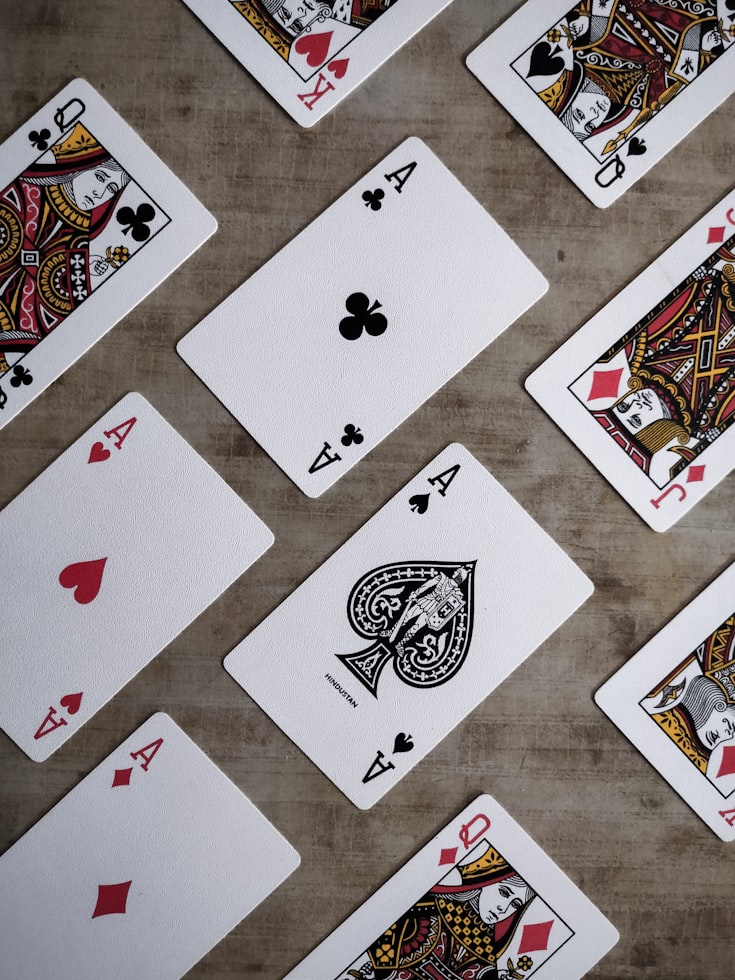
This allure often begins with the atmosphere created within a casino. Lights, sounds, and the presence of fellow players contribute to a sensory experience that heightens arousal and influences choices. Research shows that environments designed for enjoyment can lead to impulsive decisions, making players more susceptible to trying their luck on various games.
Risk and Reward: The Balance of Choices
One critical psychological aspect affecting game selection is the concept of risk versus reward. Players often evaluate the potential benefits of a game against the likelihood of losing. Games with a higher chance of winning, like blackjack, tend to attract players looking for strategic involvement, while those seeking pure entertainment might opt for slot machines, which offer less control but more immediate gratification.
This interplay also ties into the idea of gambling as a form of escapism. Many players are motivated by the prospect of a life-changing win, leading them to choose games that promise substantial rewards despite their odds. The thrill of the possibility can overshadow the risks, and this cognitive dissonance is a hallmark of gambling behavior.
The Role of Personal Identity in Game Preference
Casino game choices are often influenced by an individual’s personality traits and social identity. For instance, extroverted players may gravitate towards poker, where social interaction and competition are key elements, while introverted players might prefer solitary games like slots. This connection between personal identity and gaming preference highlights how self-perception shapes leisure activities.
Furthermore, players often choose games that align with their self-expectations and emotional states. Someone feeling adventurous might be drawn to high-risk games, while a person in search of comfort might lean toward familiar, low-stakes games. This dynamic shows how emotional and psychological states can dictate the type of experience sought in a casino setting.
Advertising and Psychological Manipulation in Gaming
The impact of marketing and branding on casino game choices cannot be underestimated. Casinos employ sophisticated advertising strategies that capitalize on psychological principles to attract players. The use of vibrant colors, enticing sounds, and promotional incentives can create an illusion of greater odds and rewards, thereby influencing player choice.
Additionally, the design of gaming machines themselves incorporates psychological triggers, such as near misses and variable rewards, to keep players engaged. These elements exploit cognitive biases, leading players to believe they have a better chance of winning than they actually do. This manipulation often blurs the lines between entertainment and addiction, driving players to continuously seek out their preferred games.

Stay Informed with Today Tonight Adelaide
Understanding the psychology behind casino game choices offers valuable insights into broader human behavior and the complexities of gambling. For those in Adelaide looking to stay updated on such topics, Today Tonight Adelaide provides a comprehensive source of information on various subjects, including community events and entertainment.
Whether you are an avid player or simply interested in learning more about the dynamics of gaming psychology, Today Tonight Adelaide keeps you informed about local happenings and provides a platform to explore the societal impacts of gambling. Stay connected to enhance your understanding and engage with your community effectively.