

The Allure of Gambling
The allure of gambling is deeply rooted in human psychology, tapping into emotions and desires that can sometimes override rational decision-making. The thrill of chance and the possibility of winning big can create an irresistible urge to participate in casino games. This thrill is heightened by the environment of a casino, which is designed to stimulate the senses with vivid lights, sounds, and an atmosphere that promotes excitement and anticipation. For those looking to enhance their experience, visiting a top crypto casino might be a promising option.
Furthermore, the psychological concept of variable reward schedules plays a significant role in the gamble experience. When players are rewarded unpredictably, it can lead to a phenomenon known as the “gamblers’ fallacy,” where they mistakenly believe that past outcomes influence future ones. This erroneous thinking can compel individuals to gamble again and again, hoping that their luck will change.
The Role of Social Factors
Social influences also significantly affect why people gamble. Going to a casino is often a social activity, where individuals engage with friends and strangers alike, bonding over the excitement of the games. The shared experience of winning or losing enhances the enjoyment of gambling, creating a sense of community among players. Peer pressure and the desire to fit in can further motivate individuals to participate in gambling activities.
Moreover, the online gaming environment has broadened social interaction, allowing gamblers to connect through forums and social media. This connectivity can reinforce gambling behaviors, making it easier for individuals to justify their actions and share in the highs and lows of their experiences with a larger audience.
Cognitive Dissonance in Gambling
Cognitive dissonance is another psychological phenomenon that plays a critical role in gambling behavior. Gamblers often rationalize their losses by emphasizing their wins or downplaying negative experiences, which helps to alleviate the discomfort of their losses. This dissonance can lead to continued gambling, as players convince themselves that they are due for a win or that their skills will improve over time.
As a result, this self-justification keeps players engaged in the cycle of gambling, despite the financial and emotional toll it may have. Understanding this aspect of gambling psychology is crucial for both players and those concerned about the potential for gambling addiction.
The Impact of Rewards and Reinforcements
The psychology of casino games is also heavily influenced by the structure of rewards and reinforcements. Casinos utilize various techniques, such as free bets and loyalty programs, to keep players engaged. These incentives create a sense of value and can significantly enhance the gambling experience, leading players to spend more time and money in pursuit of rewards.
This conditioning mirrors principles found in behavioral psychology, where consistent reinforcement encourages repeated behaviors. The intermittent nature of winning, paired with the emotional highs associated with both wins and losses, creates a loop that can be difficult for players to break free from, ultimately fueling their gambling habits.
Understanding Casino Culture
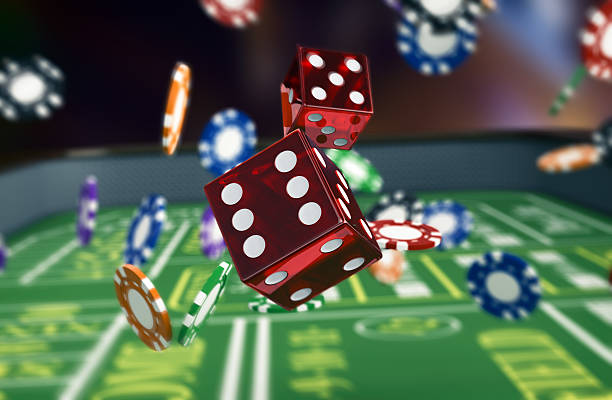
The culture surrounding casinos is multifaceted and influences how and why people gamble. From the glitz and glamour of Las Vegas to local gaming establishments, the environment plays a significant role in attracting gamblers. This culture often glorifies gambling, showcasing winners and celebrating chance, which can amplify the desire to participate.
Ultimately, understanding the psychology behind why we gamble can provide valuable insights for both players and industry professionals. Recognizing the factors that drive gambling behavior can foster responsible gaming practices and promote healthier attitudes towards gambling, ensuring that it remains a form of entertainment rather than a source of distress.